Food Prices Drop in Bauchi as Ramadan Begins, Students, the Poor Express Relief
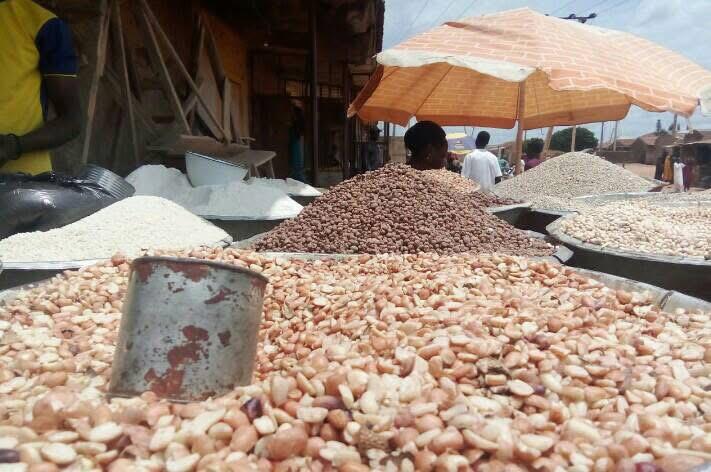
As the Muslim faithful worldwide started fasting the holy month of Ramadan, consumers in Bauchi are witnessing a noticeable decrease in food prices across various markets within the metropolis and beyond.
The prices essential commodities such as rice, maize, beans, millet, and other staples have dropped significantly in some cases, with consumers heaving a sigh of relief—especially students and low-income earners who hitherto struggle with the rising cost of living.
Why Are Food Prices Dropping?
Although it is not clear what exactly is responsible for the sudden reductions in prices of staple, a recent report in the Daily Trust newspaper suggests that the drop may be linked to reduced market activities by middlemen.
It added that after the Christmas and New Year festivities, demand for food items typically slows down, leading to surplus stock and lower prices, but one other factor widely believed to have caused price cuts was increase in food imports which some economists say has helped stabilize prices in many markets across the country.
Many traders in Bauchi are amazed with the start of this year’s Ramadan season, noting how things have turned out differently compared to previous years, where food prices would usually spike as demand increases.
The unprecedented price reduction in Ramadan is bringing some financial relief to consumers who are now able to purchase staple food items at a lower cost as they confirmed to our correspondents.
Prices Fall at Gwallameji Market
Photo Credit: GwallamejiNews
At a student-dominated community in Gwallameji, opposite Federal Polytechnic Bauchi, notable reductions in staple food prices have been observed.
According to Malam Muhammad Hashiru, a grain seller, the price per mudu of rice, which previously ranged between ₦1,800 to over ₦2,000, has now dropped to between ₦1,600 and ₦1,700.
Similarly, the price of millet, which was recently sold at ₦800 per mudu, now stands at ₦600 to ₦650, while the cost of soybeans has fallen from ₦1,300 to as low as ₦1,000.
Other traders in the market confirmed a similar trend. Beans, previously selling for ₦2,000, is now available at ₦1,800, while sugar has seen a ₦300 reduction, from ₦3,000 to ₦2,700 or less per mudu.
However, not all food prices are on the decline. Groundnut prices have actually increased, now selling for ₦2,200 instead of ₦2,000, indicating that some commodities remain unaffected by the general price drop.
Prices are also Coming Down at Wunti Market
A similar trend was observed in Wunti Market, another major trading hub in Bauchi. Foreign rice, which was selling for ₦4,000 per mudu, has now dropped to ₦3,000, while sugar has fallen from ₦3,500 to ₦3,000. Spaghetti, which was previously sold for ₦1,000, now ranges between ₦850 and ₦950, depending on the brand.
Nationwide, Staple Foods are Becoming Affordable
The drop in food prices is not unique to Bauchi State. According to Daily Trust, other states, including Kaduna, Taraba, Benue, Kano, Niger, and Lagos, have also recorded reductions in staple food costs.
In Kaduna’s Saminaka Market, the price of a 100kg bag of maize has dropped from ₦75,000 to ₦47,000, while soybean prices have decreased from ₦110,000 to ₦68,000, just as similar price reductions have been observed in Taraba, Kano, and Niger, where the cost of paddy rice, sorghum, millet, and cassava has fallen significantly.
Students are Excited with Price Reduction
The drop in food prices has been met with excitement by students of Federal Polytechnic Bauchi, who often struggle to balance their expenses on food, transportation, and academic materials.
Aliyu Haidar Abdulrahman, an NDII Architecture student, shared his happiness over the development.â€To be honest, all praises be to Almighty Allah for this development. Unlike before, when Ramadan approaches and food prices spike, this time, the prices are actually going down.
I’m happy.â€
Similarly, Israel Oluwatunmishe Adeshina, a Civil Engineering student, welcomed the news.
“…It’s actually for our own good. At least the rate of students not eating well will reduce, and suffering will not be as much. This will help students afford better food,†he said.
Hope for Continued Affordability
As Ramadan progresses, students and residents alike are hopeful that the trend of decreasing food prices will continue, allowing many more people to afford to but their needs without so much struggle as has been the case since the removal of fuel subsidy in Nigeria.
While seasonal market fluctuations can sometimes lead to price hikes, many are optimistic that the current reductions will ease financial burdens, making it easier to access basic necessities during the fasting period and beyond.
For now, consumers in Bauchi and across Nigeria are enjoying the rare opportunity of lower food prices—a welcomed change during a time when economic hardships continue to challenge many households.
The prices essential commodities such as rice, maize, beans, millet, and other staples have dropped significantly in some cases, with consumers heaving a sigh of relief—especially students and low-income earners who hitherto struggle with the rising cost of living.
Why Are Food Prices Dropping?
Although it is not clear what exactly is responsible for the sudden reductions in prices of staple, a recent report in the Daily Trust newspaper suggests that the drop may be linked to reduced market activities by middlemen.
It added that after the Christmas and New Year festivities, demand for food items typically slows down, leading to surplus stock and lower prices, but one other factor widely believed to have caused price cuts was increase in food imports which some economists say has helped stabilize prices in many markets across the country.
Many traders in Bauchi are amazed with the start of this year’s Ramadan season, noting how things have turned out differently compared to previous years, where food prices would usually spike as demand increases.
The unprecedented price reduction in Ramadan is bringing some financial relief to consumers who are now able to purchase staple food items at a lower cost as they confirmed to our correspondents.
Prices Fall at Gwallameji Market
Photo Credit: GwallamejiNews
At a student-dominated community in Gwallameji, opposite Federal Polytechnic Bauchi, notable reductions in staple food prices have been observed.
According to Malam Muhammad Hashiru, a grain seller, the price per mudu of rice, which previously ranged between ₦1,800 to over ₦2,000, has now dropped to between ₦1,600 and ₦1,700.
Similarly, the price of millet, which was recently sold at ₦800 per mudu, now stands at ₦600 to ₦650, while the cost of soybeans has fallen from ₦1,300 to as low as ₦1,000.
Other traders in the market confirmed a similar trend. Beans, previously selling for ₦2,000, is now available at ₦1,800, while sugar has seen a ₦300 reduction, from ₦3,000 to ₦2,700 or less per mudu.
However, not all food prices are on the decline. Groundnut prices have actually increased, now selling for ₦2,200 instead of ₦2,000, indicating that some commodities remain unaffected by the general price drop.
Prices are also Coming Down at Wunti Market
A similar trend was observed in Wunti Market, another major trading hub in Bauchi. Foreign rice, which was selling for ₦4,000 per mudu, has now dropped to ₦3,000, while sugar has fallen from ₦3,500 to ₦3,000. Spaghetti, which was previously sold for ₦1,000, now ranges between ₦850 and ₦950, depending on the brand.
Nationwide, Staple Foods are Becoming Affordable
The drop in food prices is not unique to Bauchi State. According to Daily Trust, other states, including Kaduna, Taraba, Benue, Kano, Niger, and Lagos, have also recorded reductions in staple food costs.
In Kaduna’s Saminaka Market, the price of a 100kg bag of maize has dropped from ₦75,000 to ₦47,000, while soybean prices have decreased from ₦110,000 to ₦68,000, just as similar price reductions have been observed in Taraba, Kano, and Niger, where the cost of paddy rice, sorghum, millet, and cassava has fallen significantly.
Students are Excited with Price Reduction
The drop in food prices has been met with excitement by students of Federal Polytechnic Bauchi, who often struggle to balance their expenses on food, transportation, and academic materials.
Aliyu Haidar Abdulrahman, an NDII Architecture student, shared his happiness over the development.â€To be honest, all praises be to Almighty Allah for this development. Unlike before, when Ramadan approaches and food prices spike, this time, the prices are actually going down.
I’m happy.â€
Similarly, Israel Oluwatunmishe Adeshina, a Civil Engineering student, welcomed the news.
“…It’s actually for our own good. At least the rate of students not eating well will reduce, and suffering will not be as much. This will help students afford better food,†he said.
Hope for Continued Affordability
As Ramadan progresses, students and residents alike are hopeful that the trend of decreasing food prices will continue, allowing many more people to afford to but their needs without so much struggle as has been the case since the removal of fuel subsidy in Nigeria.
While seasonal market fluctuations can sometimes lead to price hikes, many are optimistic that the current reductions will ease financial burdens, making it easier to access basic necessities during the fasting period and beyond.
For now, consumers in Bauchi and across Nigeria are enjoying the rare opportunity of lower food prices—a welcomed change during a time when economic hardships continue to challenge many households.
Advertisement Space 1
You May Also Like






Advertisement Space 2
Advertisement
Your Ad Here
Latest News



Advertisement
Your Ad Here